Counter-Trafficking Action Being Taken in Myanmar
Policy and cooperation
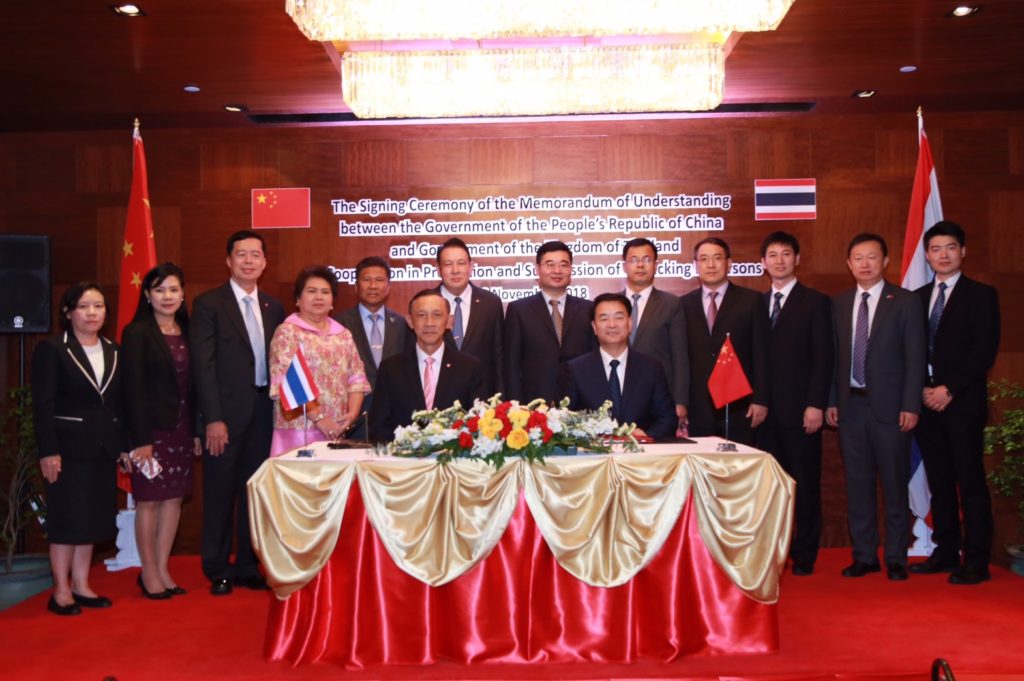
The Myanmar Government cooperates with UN agencies and INGOs active in the counter-trafficking sector, including through its National Plan of Action on human trafficking, which is in line with its commitment under the Coordinated Mekong Ministerial Initiative against Trafficking MoU (COMMIT MoU), which brings together the six Mekong countries in the fight against human trafficking. Cross-border enforcement cooperation with China is enhanced through Border Liaison Offices (BLOs), which are supported by ARTIP, UNIAP, UNICEF, and UNODC.
Prevention
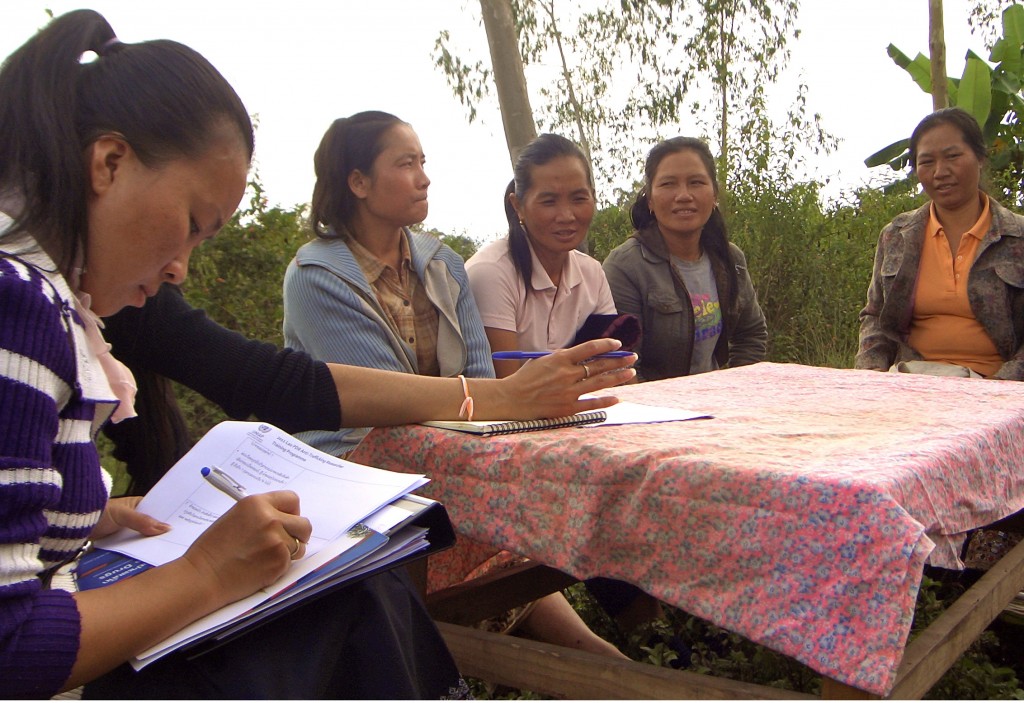
As a source country, interventions focus primarily on prevention, including awareness raising and vulnerability reduction. There have been recent strengthened efforts to prevent human trafficking both within and abroad, with the Ministry of Education, Ministry of Hotel and Tourism, Ministry of Labour, Myanmar Police Force, Department of Social Welfare, Department of Immigration and National Registration, and township anti-trafficking in persons committees conducting awareness raising on human trafficking around the country. INGOs such as World Vision, Save the Children and AFXB are conducting awareness training at the community level and many local NGOs with the support of UN agencies and Intergovernmental organisation like UNICEF, UNIAP and IOM have been doing the same thing throughout Myanmar especially in trafficking hot spot/vulnerable areas.
Protection
Department of Social Welfare (DSW) provides a two-week program of "rehabilitation" for most victims of trafficking returning from abroad. Temporary shelter to repatriated trafficking victims is provided at eight vocational training centers. Trafficking victims are encouraged to assist in the investigation process, and victims have the right to file civil suits and seek legal action against traffickers.
Prosecution
The 2005 Anti-Trafficking in Persons Law prohibits trafficking into sexual and labour trafficking exploitation, with trafficking definitions in line with the Palermo Protocol. The law prescribes penalties for trafficking that are stringent . For example, of 33 members of a trafficking gang who trafficked girls/young women into China, two offenders who forced the victims into prostitution and two traffickers who sold them into China were sentenced to life imprisonment in 2006.
What is being done for victims of trafficking in Myanmar?
As of 31 December 2008, a total of 686 victims have been repatriated back to Myanmar within government-to-government repatriation schemes. Victims were repatriated from Thailand (344 victims); China (272 victims); Malaysia (45 victims); Japan (11 victims); China/Macau (8 victims); China/Taiwan (3 victims), and 1 victim each from Bangladesh, Jamaica, and Singapore. . The Department of Social Welfare (DSW) operates two rehabilitation centres where victims undergo a two-week vocational training upon their return to Myanmar. As of December 2006, 11 women were in the Yangon DSW center . A reception center was established in Myawaddy in 2002. The center, from the time of its establishment through 31 December 2006, has received 18,874 returnees who were eventually reintegrated to their families.
What else needs to be done in Myanmar?
Communication and research on the patterns and causes of trafficking in Myanmar need to be scaled up for more effective programming in at-risk communities.
Young people are particularly at risk. Existing networks for youth, including schools, universities and clubs, can be used to share vital counter-trafficking messages.
Authorities on both sides of the borders need a better understanding of what constitutes trafficking and how to cooperate to investigate and combat trafficking. Authorities would also benefit from understanding that, without the right paperwork, illegal immigrants can become extremely vulnerable to labour exploitation and trafficking.
Cross-border collaboration by governments on repatriation means that victims of trafficking can return home safely without fear of future harassment. NGOs can play a “watchdog” role in this process, advising and facilitating at individual level.

Counter-Trafficking in Myanmar |
|||||||||
|
Hotline Numbers |
|||
|