Counter-Trafficking Action in Lao PDR
Counter-trafficking interventions to combat human trafficking are currently being carried out by:
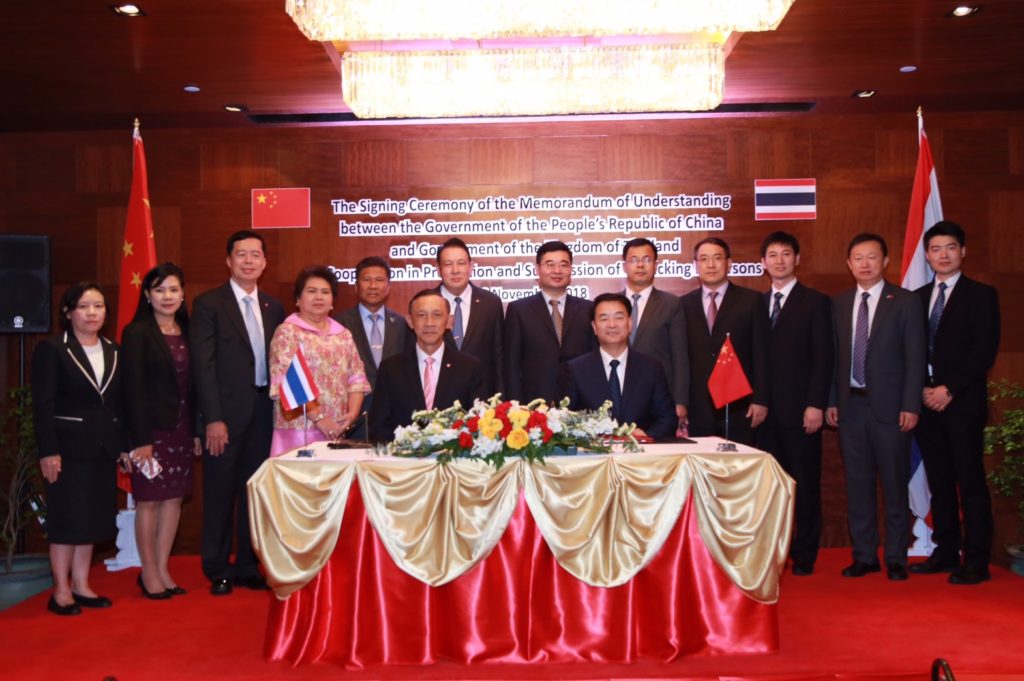
Government of Lao PDR and mass organizations: Key ministries include Ministry of Labour and Social Welfare and Ministry of Public Security (including Lao Bar Association), National Steering Committee, COMMIT Task Force, Lao Women’s Union and Lao Youth Union
Prevention
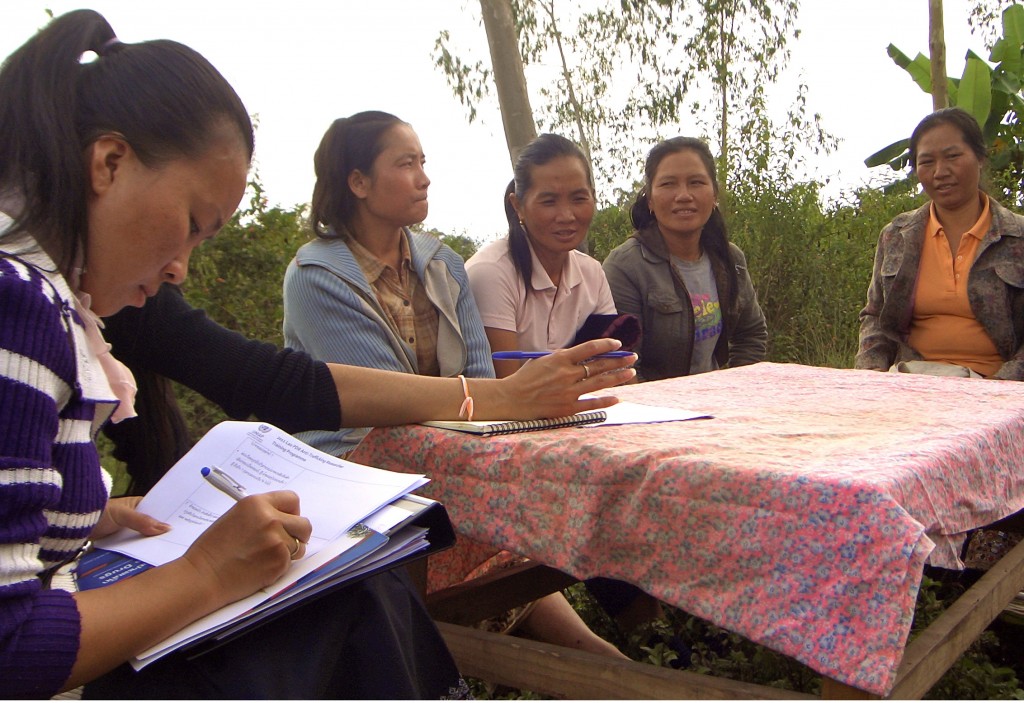
Prevention activities are implemented mainly in source areas along the Mekong River towards Thailand. The target groups are for the most part young people in rural areas, but also authorities at various levels. This work includes awareness-raising campaigns on human trafficking and safe migration, education and capacity building, creation of child protection networks and poverty alleviation projects through micro-credit schemes. In addition, there are efforts to support the continued implementation and improvement of the legal labour recruitment channels within the framework of the Lao-Thai MOU on Labour Cooperation.
Protection
Protection measures involve activities taking place in relation to Laotians trafficked to Thailand or within the country. This work consists of identification, rescue, rehabilitation, legal proceedings, repatriation, reception and reintegration. In Thailand, this involves a multi-disciplinary approach from police, social workers, lawyers, international agencies and interpreters. There are efforts to strengthen this approach in Lao PDR too, particularly with regards to the rehabilitation and reintegration of trafficked persons. There are two shelters for trafficked women and children in Lao PDR, both located in Vientiane. Lao Women’s Union and AFESIP each runs one shelter providing counselling, vocational training, access to education and legal assistance.
Prosecution
Prosecution involves investigations by the police, the criminal justice system and other government institutions, INGOs and UN agencies in both Thailand and Lao PDR. In Lao PDR there is a dedicated Anti – Trafficking Division with Anti – Trafficking Units at provincial level. The international agencies are particularly involved with training and capacity building of front-line officials, prosecutors and judges, as well as the strengthening of the legal framework.
Policy
Policy is led by the Government of Lao PDR, in cooperation with UN agencies and INGOs active in the counter-trafficking sector. Lao PDR is currently in the process of approving its National Plan of Action on Human Trafficking. This is in line with its commitment under the Coordinated Mekong Ministerial Initiative against Trafficking (COMMIT), which brings together the six Mekong countries in the fight against human trafficking.
What else needs to be done in
Lao PDRto prevent human trafficking?
Building on and strengthening safe channels of labour migration should be a key priority in Lao PDR, as most human trafficking takes place in the context of seasonal and longer-term labour migration through unofficial channels.
The ‘demand’ side (law enforcement, policing, awareness raising etc.) of human trafficking should be strengthened without neglecting current work to curb ‘supply’ (awareness, education, job creation etc.).
Research, impact assessment, and monitoring and evaluation on human trafficking should be further strengthened in the counter-trafficking sector.
Interventions to combat human trafficking directly support the achievement of the Millennium Development Goals (MDGs), by addressing factors that contribute to an individual’s vulnerability to trafficking such as poverty (MDG 1), lack of basic education (MDG 2), and lack of gender equality (MDG 3). Furthermore, interventions can also work to reduce the spread of HIV/AIDS (MDG 6)