UNIAP
no-trafficking.org | Where We Work | Lao PDR
Lao PDR Quick Facts
 
Population: 5,6 million (77% rural)

Ethnicity: 66% of the the population belongs to the Tai-Lao ethno-linguistic family.

Income: GDP per capita incom is US $375 (3.7% growth from 1990 to 2003) compared to $2,305 in Thailand.

Neighbouring Countries:
Cambodia, China, Myanmar, Thailand, and Vietnam.

For more trafficking information from UNIAP Lao PDR and sources for the above statistics, download the SIREN Human Trafficking Datasheet for Lao PDR
[Download English PDF]
[Download Lao PDF]

UNIAP Lao PDR

What is the trafficking situation in Lao PDR?

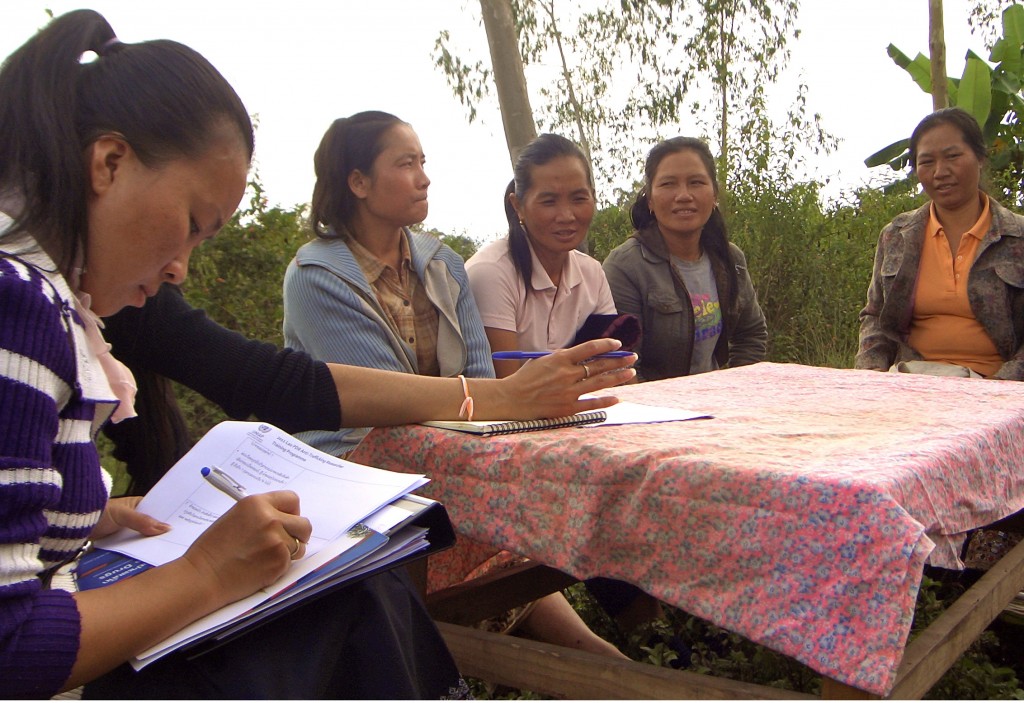
Lao PDR is mainly a source country for human trafficking and the main destination is Thailand. Trafficking of Laotians to Myanmar and China for the purposes of buying and selling brides has also been reported. So far, trafficking from China and Vietnam into sexual exploitation in Lao PDR10 or through Lao PDR to Thailand seems less prevalent. Internal trafficking is found to be common, but it receives less attention than cross-border trafficking.

Human trafficking is closely linked to rising legal and illegal labour migration:

What is the scale of Human Trafficking in Lao PDR?

No universally accepted estimate of the number of trafficked persons exists in Lao PDR. One source puts it at 21,816 trafficking cases from rural areas in Laos to Thailand over the last ten years. This means that 1.4% of the total Lao migrant work force in Thailand is considered to be at high risk.

Who are the perpetrators of Trafficking in Lao PDR?

There is generally limited information about the perpetrators of human trafficking. The focus has generally been on the recruiters or the brokers, but less on the ones who own the factories, brothels, fishing-boats etc. where most of the
exploitation takes place. In other words, in the counter-trafficking sector there has been more focus on the trafficking aspects related to movement compared to exploitation taking place at the destination sites.

The recruiters for either internal or cross-border trafficking are often familiar to the persons and there is little difference in the methods used for either internal or cross-border trafficking. It is important to note that there are various types of recruiters ranging from those who knowingly send persons in to exploitative situations and others who feel responsible for the wellbeing of the persons who use their services. Trafficking networks are often well structured and work across the borders through the use of brokers.


Lao Banner
Map of Lao PDR

Where We Work


Lao PDR


Contact UNIAP | Opportunities