UNIAP
Key COMMIT Documents

COMMIT Memorandum of Understanding (2004)


COMMIT 1st Sub-Regional Plan of Action Final Achievement Report (2005)


COMMIT Joint Declaration (2007)


COMMIT 2nd Sub-Regional Plan of Action (COMMIT SPAII, 2008-2010)


COMMIT SPAII Annual Monitoring Reports


COMMIT 3rd Sub-Regional Plan of Action (COMMIT SPAIII, 2011-2013)


Initiatives


Highlights:
Good Practice


COMMIT Highlights: Good Practice

Case Studies

COMMIT National Training Programmes in Cambodia

In 2010, a key element of Cambodia’s approach to tackling human trafficking was to place an increased emphasis on the continual development and implementation of the national training programme.

The Cambodian National Training on Human Trafficking was organised and funded through an inter-agency approach including the Cambodian government and law enforcement agencies, UNIAP, IOM, and the Somaly Mam Foundation.  The training was developed by adapting the COMMIT Regional Training Programme curriculum to the Cambodian context. This was achieved by translating the regional training into Khmer and then incorporating national policies and mechanisms into the curriculum.  This provided a tailored approach, whilst still being consistent with the international standards of COMMIT.

Three broad topics were covered in the national training, including strategies for combating human trafficking, ethics and human rights in counter-trafficking, and raising awareness of human trafficking. Individual sessions covered regional training programme key concepts such as the 4 P’s approach, gender sensitivity in tackling human trafficking, and the emphasis on ethics and human rights in anti-trafficking.

Recipients of national training were selected based on their position and ability to implement the knowledge they would acquire through training. Participants included members of the National Police, national Gendarmerie officials, Social Affairs Officers, NGO staff, as well as district and provincial level government officials.

By developing and implementing a national curriculum for human trafficking training, Cambodia now has a consistent understanding on how to effectively address this issue nation-wide.  The country has also developed a cadre of trainers from different agencies ensuring various perspectives and requirements are addressed.


Thailand – Myanmar cross-border cooperation

In 2009, Thailand and Myanmar began a series of cross-border cooperation meetings which successfully continued in 2010. These meetings supported effective bilateral cooperation between specialist trafficking units.  The Myanmar Police Force (MPF) and the Thai Department of Special Investigation (DSI) were the main agencies involved in the discussions.

In 2010, two meetings took place, in March and May, with the aim of creating systems for information flow, and improving the time taken for cases to reach the prosecution process.

The process of cross-border cooperation was initiated by the law enforcement agencies themselves, in order to better address issues at a local level, and facilitated by the COMMIT process. This flexible approach created an environment where both parties were able to share information, discuss specific operational issues, develop action steps and follow up from actions previously identified between meetings.

During the meetings, the MPF was able to formally request that DSI share relevant information. Specific case details were discussed, including the exchange of evidence such as photos, victim statements and surveillance information. This information allowed the MPF to investigate trafficking networks within Myanmar and take appropriate action.

One particularly beneficial outcome was the improved timeliness in the delivery of information to the MPF. This allowed for action to be taken against traffickers before the victims returned home, which helped to ensure their safety and successful reintegration.

This open dialogue approach has proven to be a successful methodology in creating bilateral partnerships between local law enforcement agencies.


Shelter self-improvement project, Viet Nam

The three main objectives of the ‘Shelter Self-Improvement Project’ over the past two years have been to measurably improve the victim support services offered by shelters in Vietnam; build the capacity of shelter staff to maintain uniform standards for victim care and support nation-wide; and build a sustainable network of victim service providers who know how to maintain these standards and can work to improve services and referral mechanisms over time.  This project is supported by the United Nations Inter-Agency Project on Human Trafficking (UNIAP) with funding from the United States Agency for International Development (USAID), and is being implemented in partnership with the managers, counsellors, and staff of all of the short-term and long-term shelters serving trafficked persons in Viet Nam.

In 2010, shelter staff underwent an intensive programme of training in shelter assessment; case management and shelter management; strengthening victim referral networks; and critical victim protection skills such as trauma counselling, victim interviewing, and designing effective age- and gender-appropriate shelter activities.  In addition to technical training, participants have engaged in shelter cross-assessments whereby teams of shelter staff visit the shelters run by their colleagues to assess conditions and make recommendations for improvements.

With regard to key achievements over the past year, shelter managers and counsellors cited several practical ways that staff from different shelters have been able to exchange good practice and “tricks of the trade.”  These include, for example, how to improve the development of personal plans for victims of trafficking, incorporate more empowering approaches to shelter management (for example engaging clients in the design of shelter activities and communal areas), and improve counselling and listening skills to build stronger trusting relationships with victims of trafficking.  After a critical review of improvements in victim protection services as well as obstacles and challenges faced, the shelter network proposed a strategy involving the drafting and adoption of Standard Operating Procedures (SOPs) for within-network referrals, as well as standard tools to enhance communication, coordination, and tracking of trends and improvements over time.

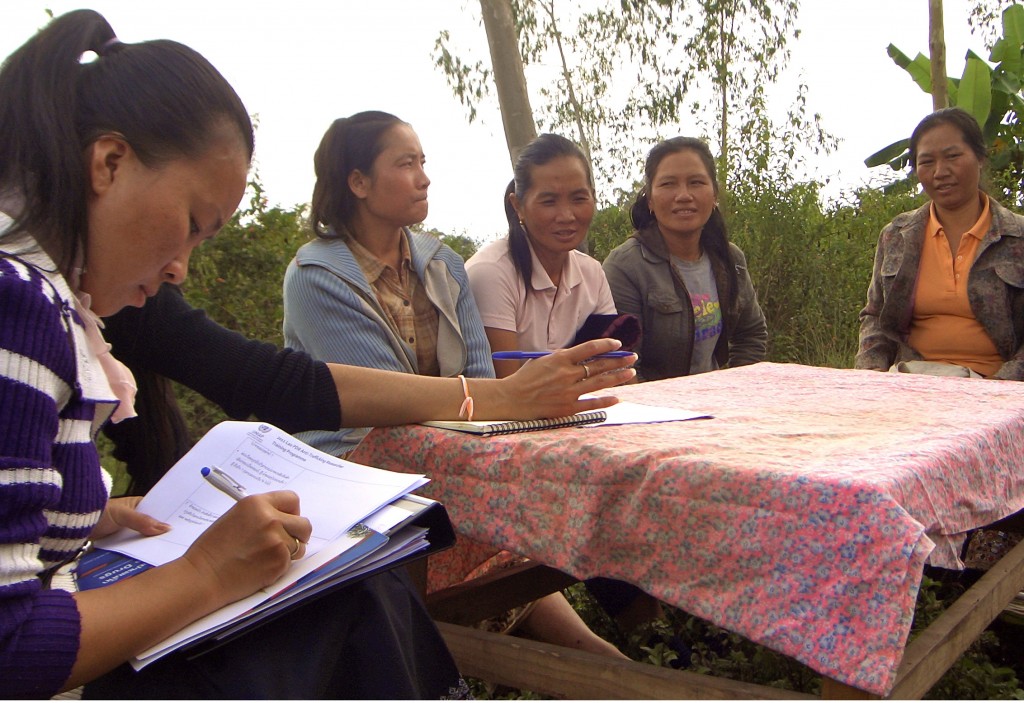
Shelter staff undertaking group activities during the Shelter Self-Improvement Workshop, Lang Son, Viet Nam, September 2010.


Initiatives
Contact UNIAP | Opportunities