UNIAP Guide to Ethics and Human Rights in Counter-Trafficking
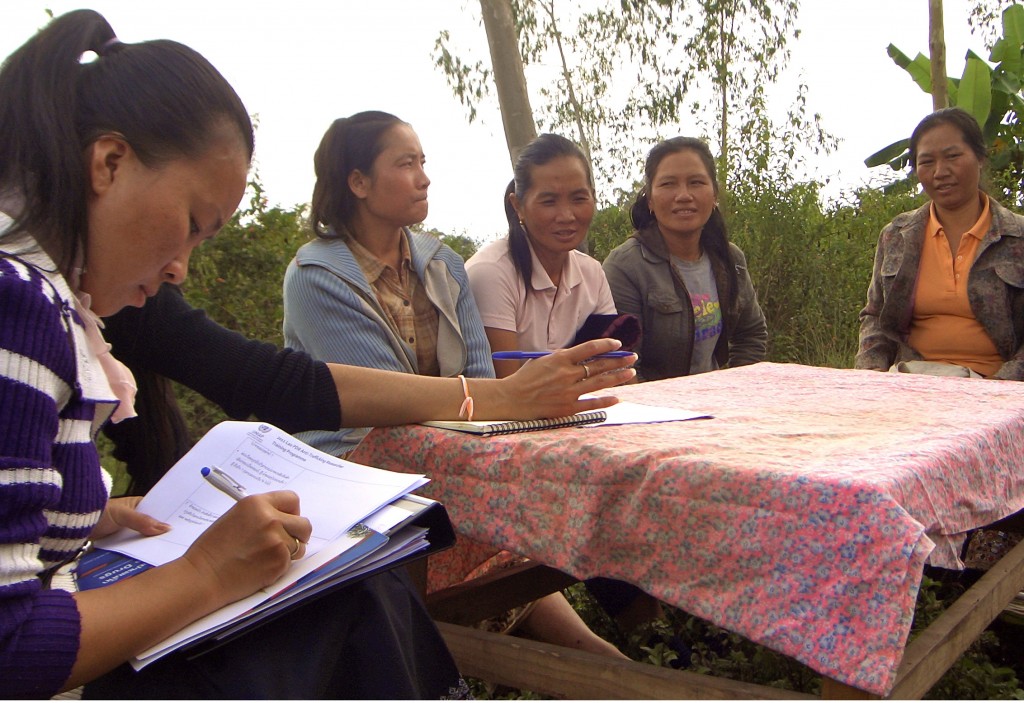
In 2003, the World Health Organization published a set of ten guidelines for interviewing trafficked women. These guidelines were a positive step towards ensuring that the rights of trafficked women would be respected during research, intake and victim service interviews.
Along with UNICEF’s child-friendly guidelines, they remain the primary set of guidelines to which counter-trafficking practitioners can refer. However, in the years since these hallmark guidelines were released, we have come to understand the numerous situations in counter-trafficking research and programming that are not addressed by any of these guidelines comprehensively, for example:
- What are the ethical considerations for interviewing male victims of human trafficking?
- What are the ethical considerations for interviewing or implementing programs involving family members or neighbors of possible trafficking victims or possible criminals, especially given issues of stigma and the fact that the relative or neighbor may have been involved in, or complicit in, the crime?
- What are the ethical considerations for interviewing or implementing programs involving victims who are still working in the harm environment? In response to these very important gaps, the United Nations Inter-agency Project on Human Trafficking (UNIAP) launched its 2008 Ethics and Human Rights in Counter-Trafficking initiative, to contribute to UNIAP’s role as a coordinating body, innovator, and technical service provider to the overall counter-trafficking sector, particularly in six countries of the Greater Mekong Sub-region where UNIAP maintains its offices. The purpose of this initiative, of which this Guide is a component, is to:
- Address the need for a broader and more updated set of guiding principles for counter-trafficking research and programming that addresses men, communities, and trafficked persons still in the harm environment; • Implement the Ethics and Human Rights in Counter-Trafficking set of seven guiding principles and practical tools, for mandatory use by all UNIAP-supported researchers and programmers interfacing with victims of trafficking and others associated in some way with human trafficking;
- Develop practical tools for researchers and programmers to ease the integration of ethical practices in day-to-day counter-trafficking research and programming, and to increase understanding, absorption, and application of human rights-oriented concepts such as informed consent, confidentiality, and coercion; and
- Disseminate the guidelines and tools to implementing partners and donors around the world to test, provide feedback on, and implement, with the goal of raising the standard of ethical conduct and rights-based practice in counter-trafficking world-wide.
Download the Guide to Ethics and Human Rights in Counter-Trafficking [PDF]