SIREN Sentinel Surveillance
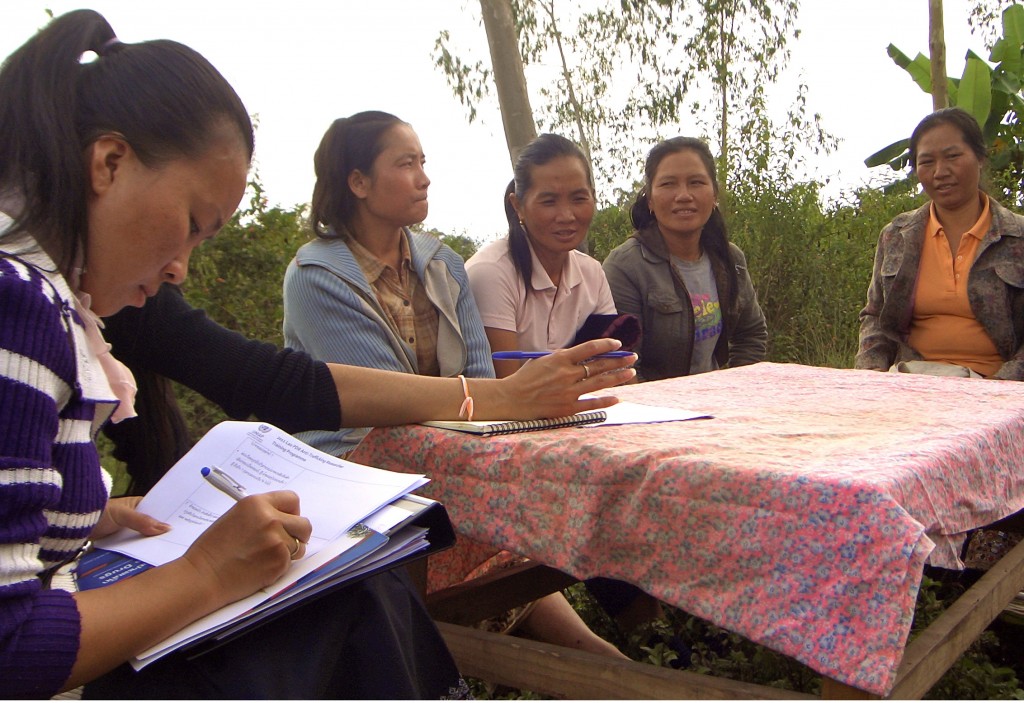
Human trafficking sentinel surveillance seeks to understand and track the prevalence, severity, trends, and changes in human trafficking patterns and flows, both internal and cross-border. Established in key hotspot and border localities, sentinel surveillance uses interviews with randomised samples of victims and migrants to:
Indicators can also be collected over time on trends in migrant employment, exploitative working conditions and job brokering, unsafe migration, remittances, family welfare, school drop-out, and child labour. The lessons learned and applicability of data from sentinel surveillance are numerous, offering insights on hotspot source and destination areas, locality-specific vulnerability factors, and ways to improve the targeting and effectiveness of trafficking prevention, prosecution, and protection interventions.
Integrated human trafficking data systems allow for regular situation assessments and better mechanisms to assess of the effectiveness of anti-trafficking interventions over time, whether collecting information on victims and their vulnerability factors, criminal networks, or the effectiveness of laws and policies. Such anti-human trafficking data systems are possible to build using multiple streams of data and intelligence from victims, migrant populations, casework, hotlines, and even official trafficking statistics. Sentinel surveillance is not necessarily the single answer to all of these needs, but it does collect information on victim, criminals, and effectiveness of laws/policies, and can track trends in exploitation, risk factors, and even prevalence.
Ultimately, speaking with and understanding the outcomes of real people affected by trafficking is the only way to understand how policies really protect victims in practice – particularly those underserved by existing programmes – and bring their perpetrators to justice.

SIREN Sentinel Surveillance |
|||
|