UNIAP
Resources

The Counter-Trafficking Response: The Four P's


Human Trafficking
Background Information

The Counter-Trafficking Response: The Four P's

In the past 5-10 years, the GMS countries have made considerable and commendable progress in combating human trafficking. A large number of activities have been implemented at local and national levels, as well as cross-border and regionally. These are often categorized under the 4 P’s:

  1. Policy and Cooperation;
  2. Prevention;
  3. Prosecution; and
  4. Protection, Recovery and Reintegration.

Policy and Cooperation

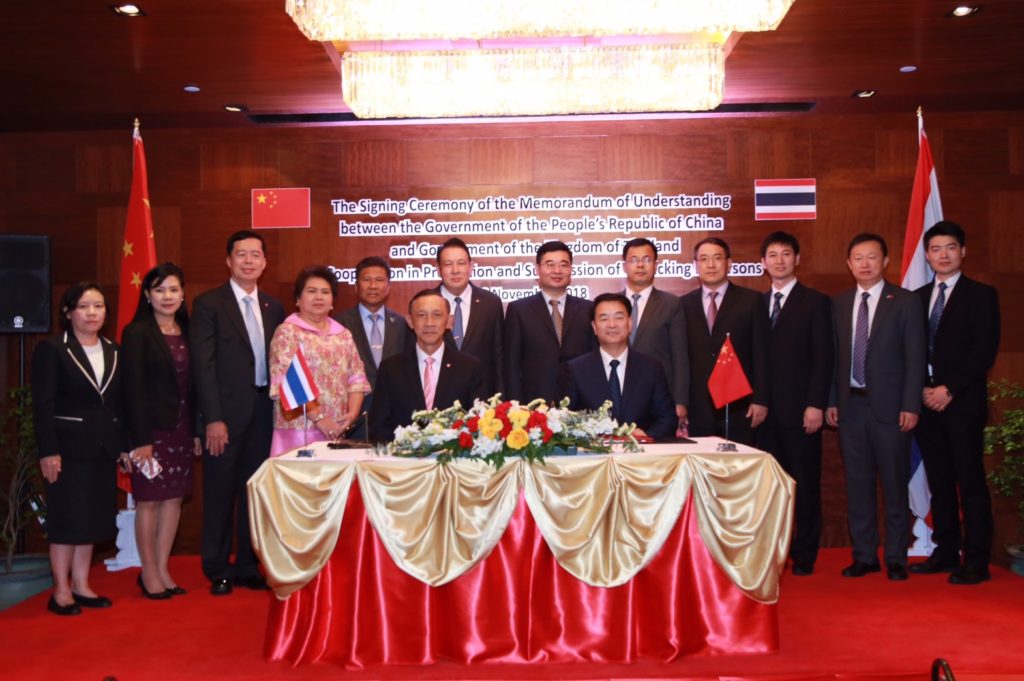
These activities include the development and implementation of national, bilateral, and regional plans, policies, and guidelines. For example, in the Mekong region, the COMMIT Process has supported the development and implementation of national mechanisms such as National Plans of Action; multi-disciplinary committees and working groups to strengthen coordination and cooperation between ministries; and bilateral (or cross-border) Memoranda of Understanding to combat human trafficking, with action plans and standard operating procedures.

Prevention

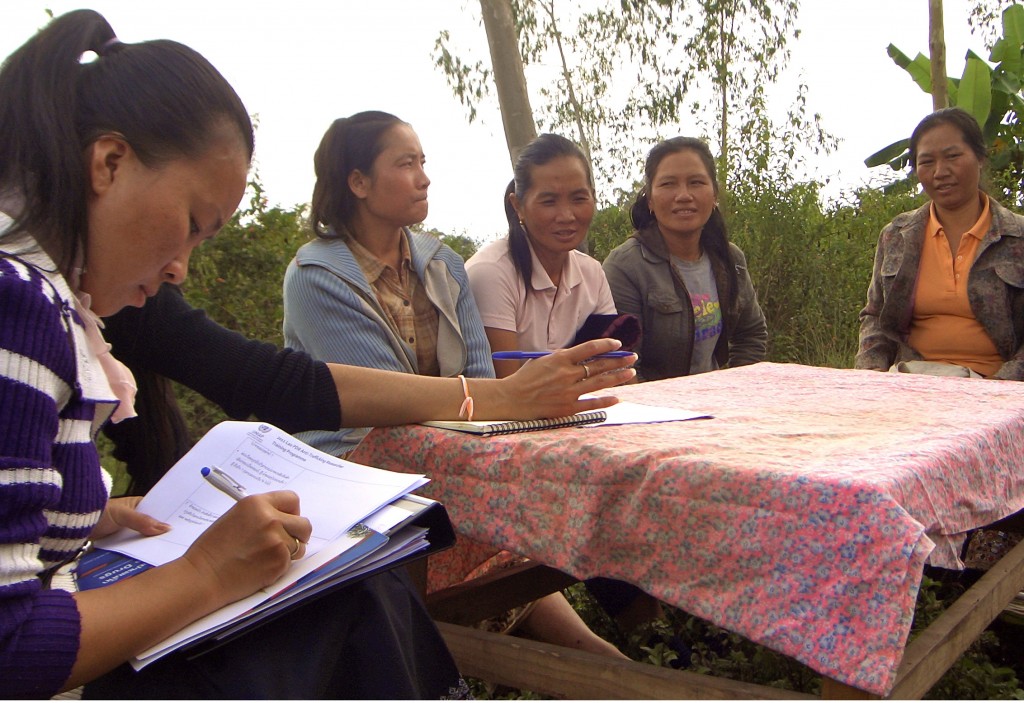
Prevention activities have largely been concentrated on the supply-side to date, focusing on addressing the vulnerabilities of target communities such as through awareness raising campaigns, vocational training, microcredit, or programmes to increase access to education for vulnerable children. These programmes are now evolving to acknowledge the reality that people will continue to migrate – most often successfully, with mutual benefits for sending and receiving economies – and focusing prevention of exploitation and trafficking on the destination side. The emphasis of awareness raising campaigns, outreach, and vulnerability reduction, for example, are thus shifting from rural source communities to destination-side migrant labor communities.

Prosecution

Prosecution-related activities have included development and implementation of specific anti-trafficking laws, and training of police officers, lawyers, and judges to effectively respond to trafficking. The establishment of specialist anti-trafficking police units in Cambodia, Lao PDR, Myanmar, Thailand, and Vietnam has been a highly significant recent development in this regard.

As these units and other measures begin to demonstrate success in the apprehension of trafficking suspects, issues are starting to arise with regard to their punishment in the courts. Clearly, more attention now needs to be paid to this area, using all criminal, civil, and labor laws available and appropriate.

Protection

Protection of trafficking victims has been accomplished through providing a wide range of services including shelter, medical and psychosocial support, legal assistance, and support for safe return and reintegration. Bilateral cooperation in the return of victims trafficked across borders has generally been strong, and service quality continues to improve. However, victim service providers are still challenged by the fact that most victims of human trafficking are never identified, and of those who are, many decline assistance due to a variety of concerns or fears they may have.

Despite the many activities being implemented, however, it is generally agreed that human trafficking continues to evolve. Specific concerns include:

While efforts over the last few years have been commendable, there is a need for more effective ways of working together, underpinned by more complete, relevant, and up-to-date information on the human trafficking situation and the effectiveness of different responses. A particularly important aspect of UNIAP’s mandate is, therefore, an increased emphasis on analysis and sharing of reliable, cutting edge empirical data, and experiences and lessons learned – globally – so that we can all be more effective at disrupting criminal operations, assisting victims, and preventing harm.


Human Traffickign Resources Banner
More Reading

Protection

SIREN report GMS-05: Why Victims Decline Assistance
ENGLISH PDF


Prosecution

SIREN report TH-02: What Do Lawyers Require to Prosecute Trafficking and Slavery in Thailand? Guidelines from Lawyers to Front-Line Agencies

ENGLISH PDF | MYANMAR PDF